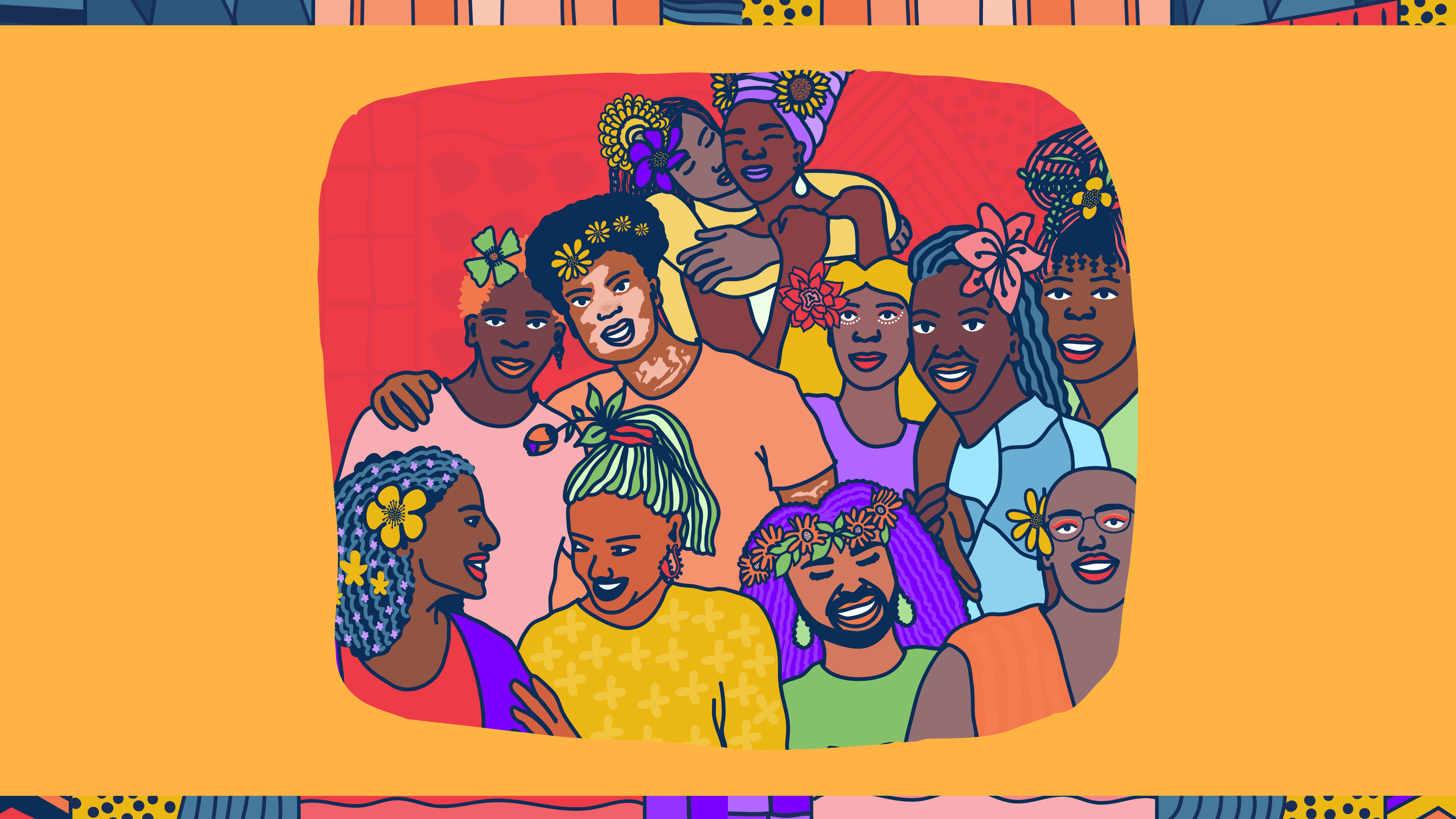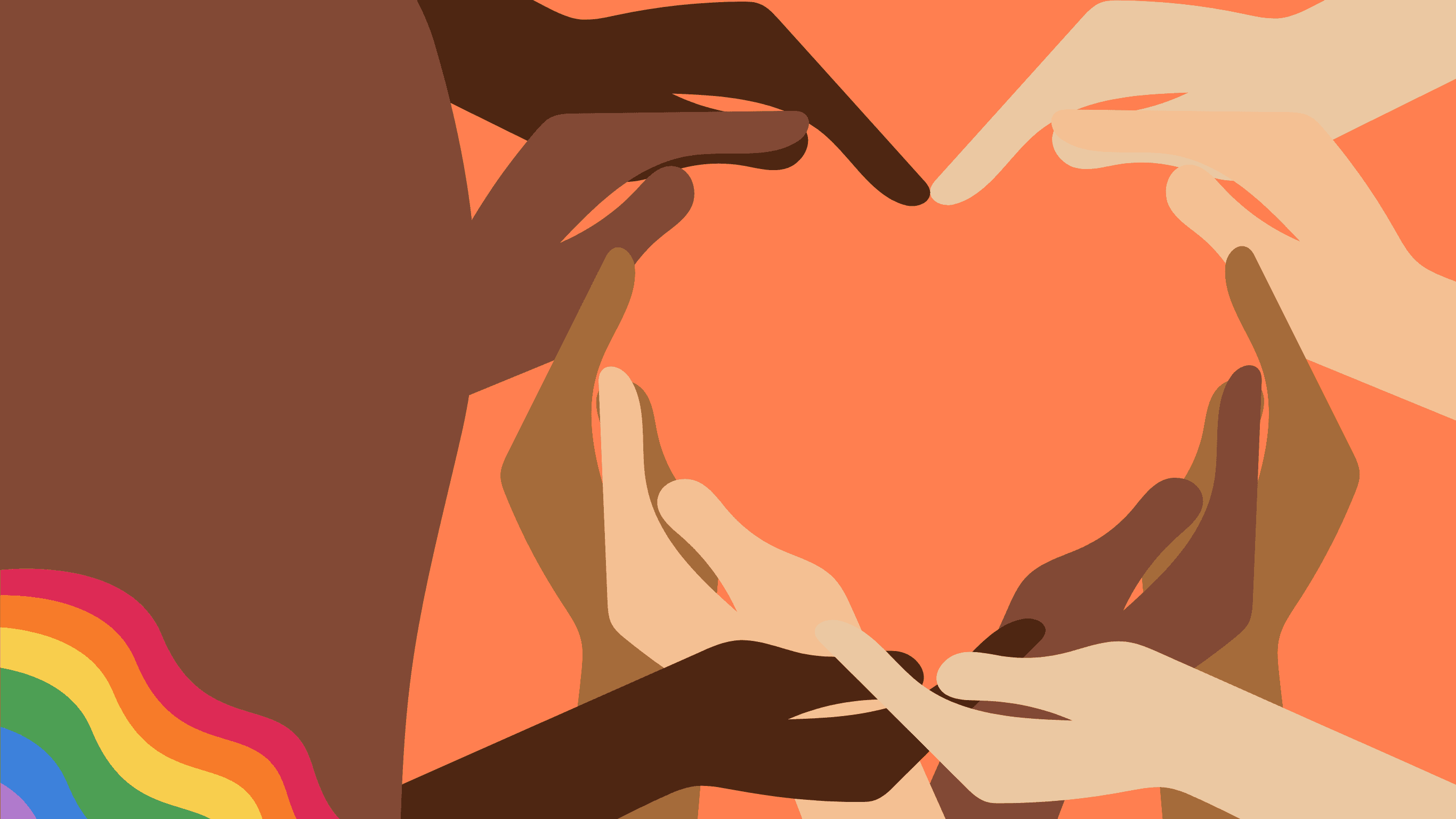
There is widely understood knowledge of the socially-entrenched and legally-enforced system of violence against women in Africa. However, what is rarely acknowledged is that at the basis of this phenomenon exists a patriarchal system that survives through the enforcement of gender norms and the enactment of violence against persons who pose a threat to it.
The result is an African feminism that is deeply heteronormative in its thesis, in the way it excludes LBTQ women, sex workers, and the abortion rights movement from feminist conversations and the discourse on equality and human rights.
This exclusion often occurs through denial or disregard for their lived realities and experiences.
Historically, feminist movements in various countries have, at some stage, been involved in the exclusion and oppression of LBTQ women, seeing them as distractions or as bad publicity.
The incompleteness of this praxis, especially in the African context, demands interrogation—one that challenges its counterproductive workings, its implicit support of patriarchy, and its perpetuation of oppression, whether deliberate or not.
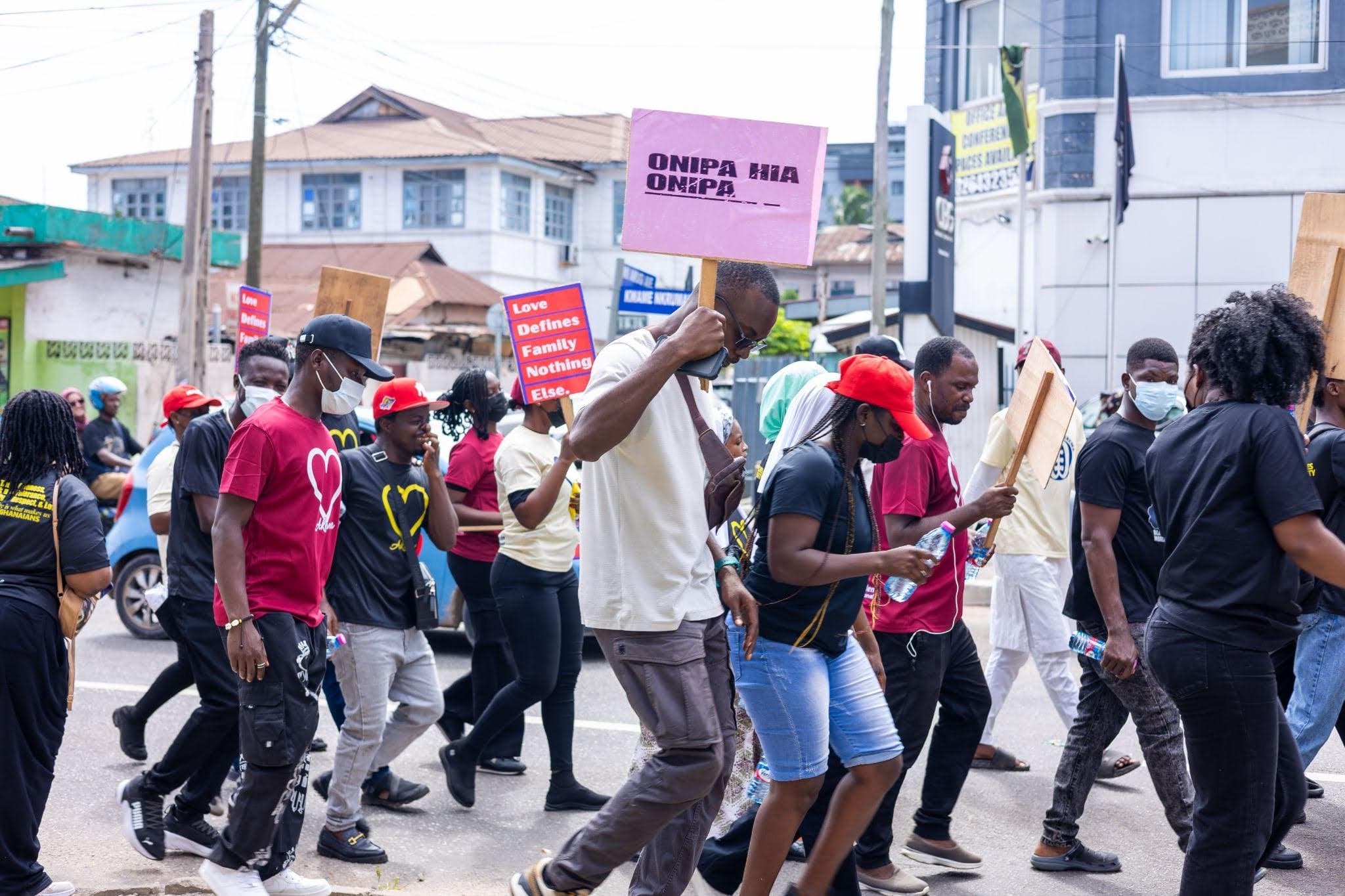
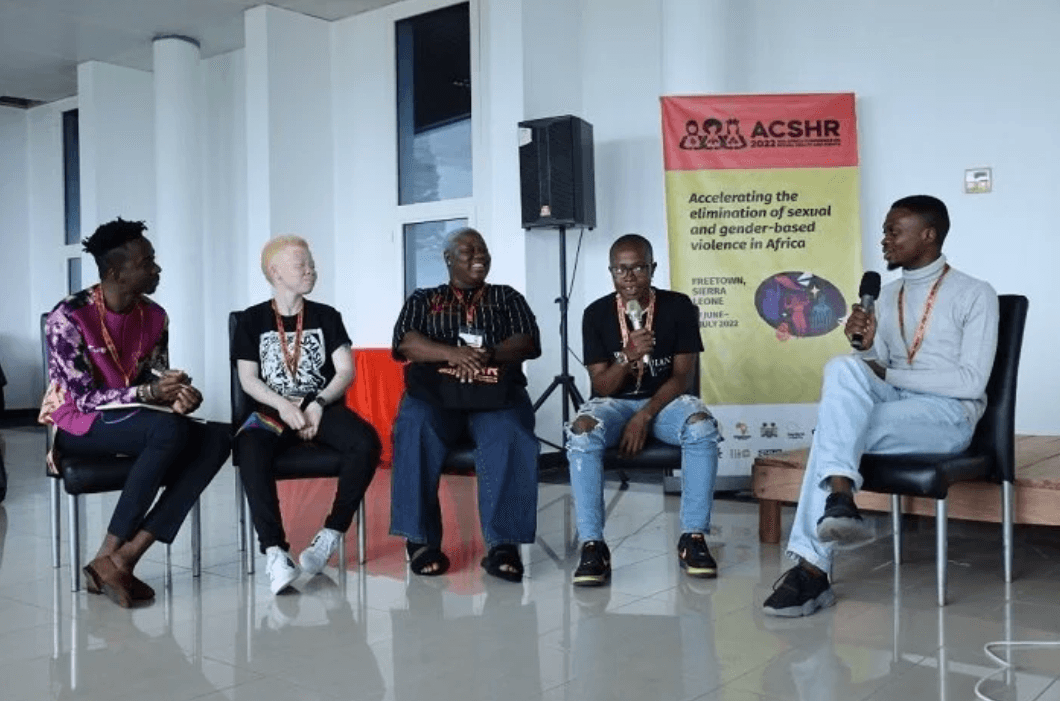
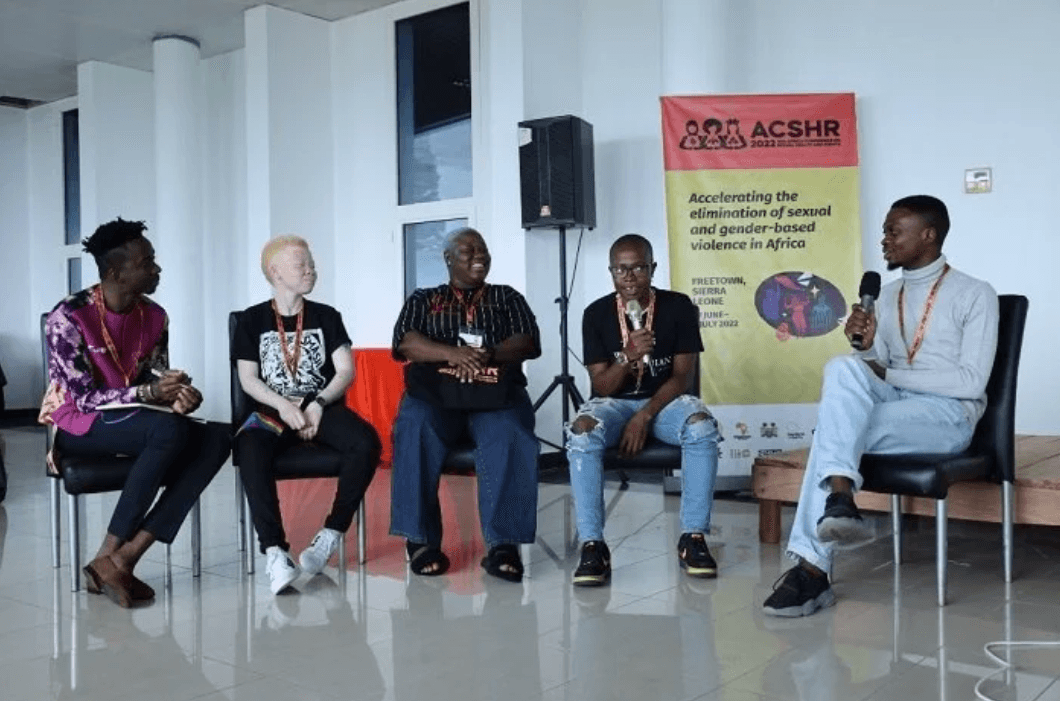
Following this understanding of the need for collective action to protect the rights of minorities in Africa, CHEVS hosted a panel at the 10th African Conference on Sexual Health and Rights (ACSHR) to discuss the intersections between LGBTQIA+ advocacy and feminism. ACSHR 2022
The discussion explored the causes of these divisions and ways to address them in order to build a louder and stronger collective voice in Africa.
This has led to the need for a call to action from CHEVS to feminist-oriented human rights activists to engage on different cornerstones of advocacy.