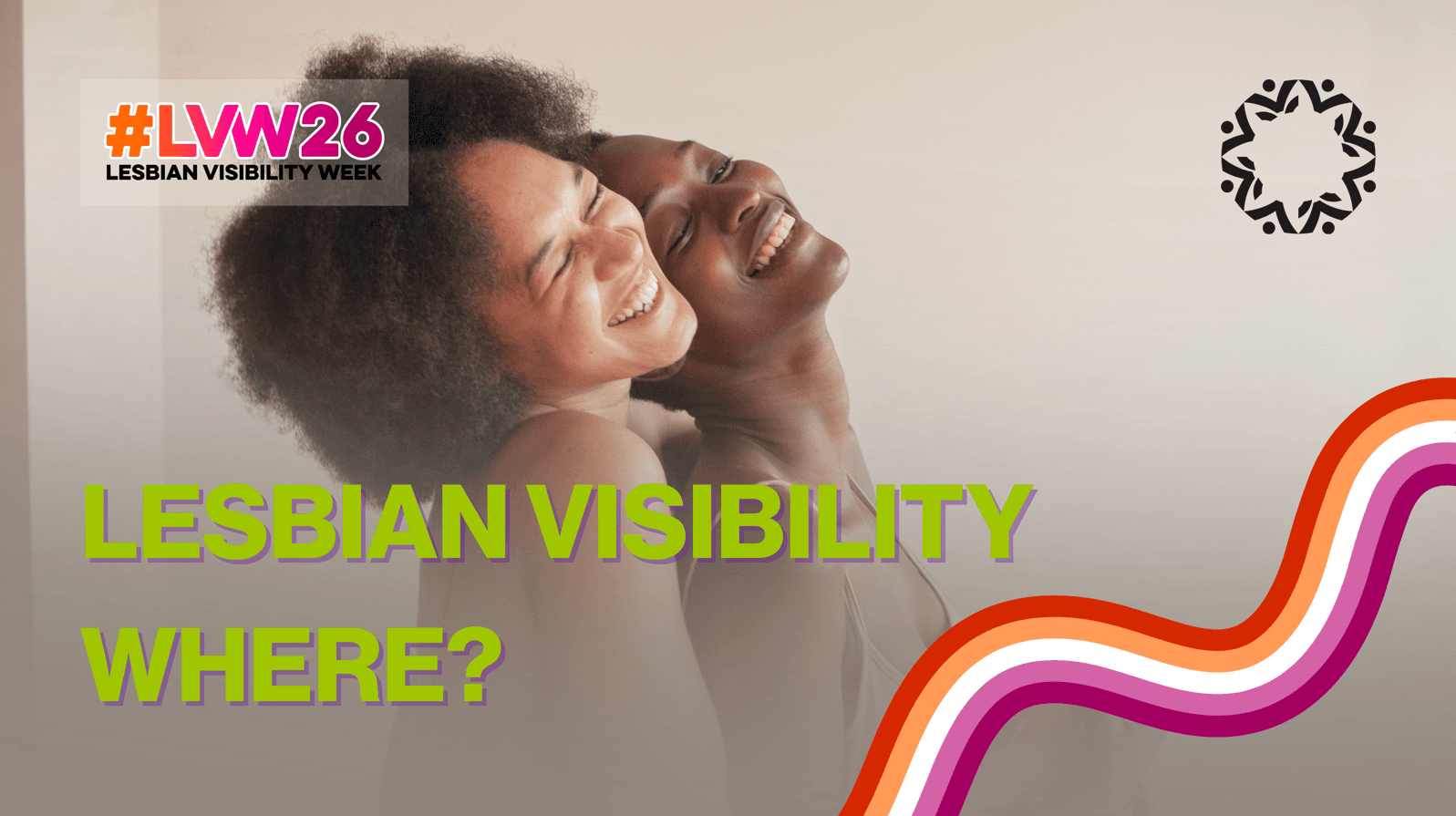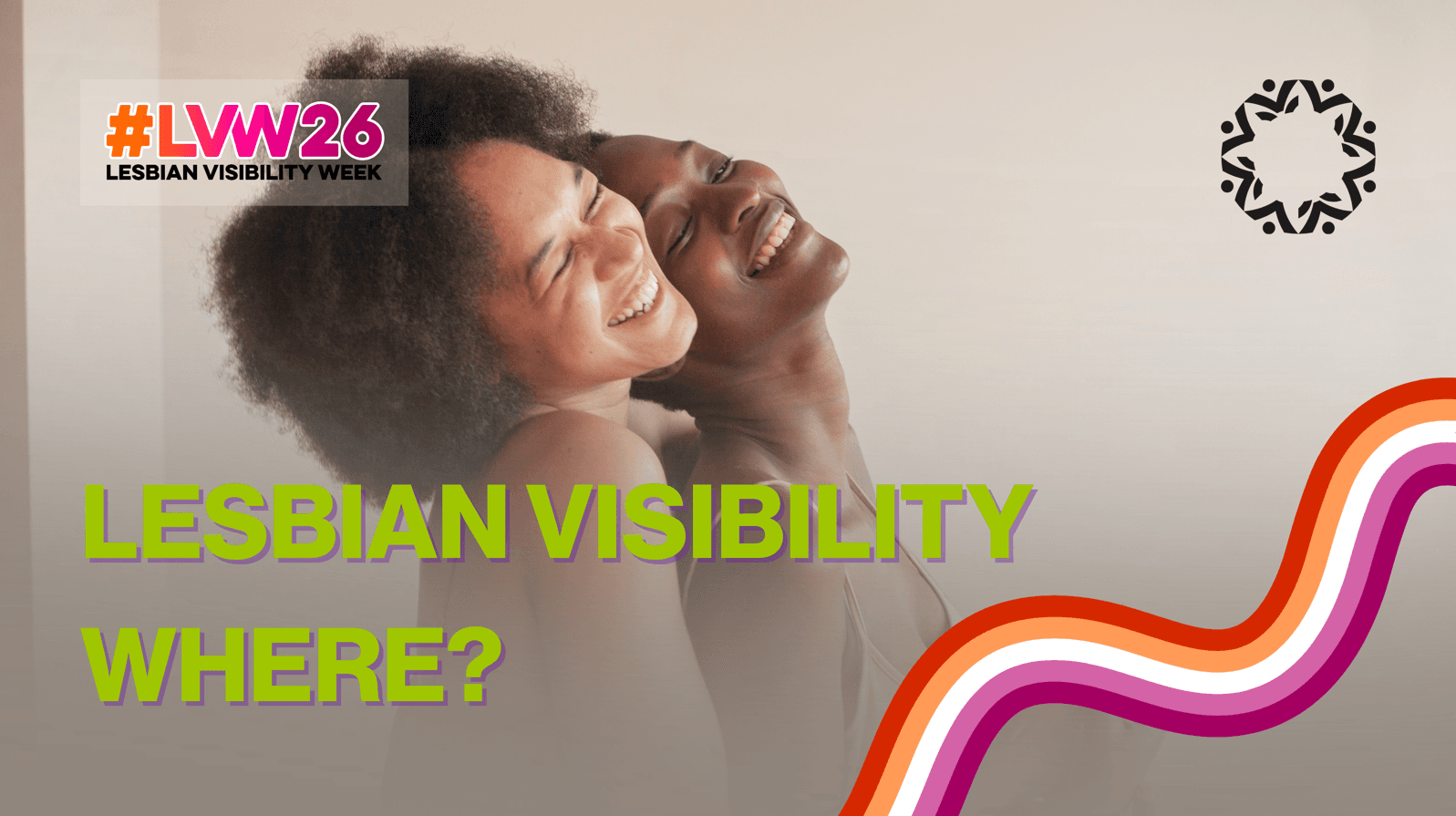
Lesbian Visibility Day is here again! Every year, it rolls by and rolls right past us into the next, waiting for our movements to meet it better, do more than acknowledge it, and maybe this time give it a little more than a day or week of well curated posts and writeups, depending on when you start.
Behind this celebration is a multitude of wonderful, talented, resourceful, striving, thriving, struggling, living and loving lesbians grinding on silently against intersecting systems working as violently intended, causing harm, stripping joy, and stifling progress. Lesbians, who are mostly, a footnote in this celebration. Lesbians, who defy what patriarchy demands of women.
The patriarchy requires women to be available to men, to organize their lives around men, and to not desire to or build fulfilling lives without them. Being a lesbian is a refusal of that reality. To live as a lesbian is defiance against centuries of systems built to narrow society into, and enforce heteronormativity and the binary. Therefore this celebration, this one-week hurrah, becomes a disservice to this living against the grain, to this alternate reality created through sheer will and love, sweat and blood.
I do not admire the resistance that lesbians are forced into, and I do not say this to erase or rubbish the effort it takes to resist. Survival requires it, yet it gets framed as a winning act, as pioneering and as something to draw pride from. How can resistance be all this when the cost is survival itself?
The cost appears everywhere if you know where to look. It shows up in the healthcare provider who has no framework for lesbian bodies or lesbian relationships, in the economic precarity of lesbians shut out of male-centered networks compounded by being shut out of heterosexual kinship wealth transfers and safety nets. It shows up in the geographic isolation of leaving places that will not let lesbians live, and perhaps most insidiously, it shows up in the incomplete record of lesbian lives and experiences.
Across the sparse literature that exists on lesbian experiences, we can hardly find work that speaks to the direct experiences of lesbians except in the context of harm and violence, or subsumed within the larger container of the LGBT+ movement. Publishers treat lesbian stories as niche, academics study lesbians only as subjects of trauma, and the broader movement celebrates lesbian labor while marginalizing their specificities.
There are exceptions to this everlasting erasure. Works like Zami: A New Spelling of My Name by Audre Lorde and Under the Udala Trees by Chinelo Okparanta offer fuller accounts of lesbian life, accounts of becoming, of love, accounts of interiority. They remain exceptions and are even more likely to reach a larger audience only if the lesbian narrative is historical, tragic, or wrapped in the safety of fiction.
This erasure permeates how lesbian relationships are seen and understood. When the only stories that break through are stories of harm, lesbian relationships become understood through damage alone. The violence gets documented, and as it should be because it is real and it is structural, but there is little to no documentation alongside it of how lesbians live, thrive, build, repair, grow old, raise children, bury each other, and survive each other. The dark times told without the ordinary times become the only times, and this is what we bear witness to now. Lesbian lives and their interior, through this erasure, are further flattened into tragedy or inspiration, never just life.
For Lesbian Visibility Week 2026, let us put down the beautifully curated posts and flyers and think more carefully about what our efforts towards lesbian visibility can actually produce. Real, beneficial visibility means funding archives to collect oral histories of living lesbians, not waiting for tragedy or death to make them worth documenting. It means publishing houses actively acquiring contemporary lesbian fiction and memoir that reflect the texture of lesbian life beyond coming out or hate crimes. It means conducting healthcare research and training that do not erase lesbians or reduce them to minority stress. For our movements, it means becoming spaces that do not celebrate the historical labor of lesbians while tokenizing their current leadership.
For this week and all the ones that follow, let us work to turn visibility into something better than what we are currently offering. Let us hold lesbian lives in full and let us give resources that properly sustain. Let us make space for ordinary love, for conflict, for aging, for joy, for lives that can be lived without the performance of resistance.
Until then, Lesbian Visibility Week continues to be a performance and lesbians remain people we celebrate one week a year and abandon the other fifty-one.
About the Author
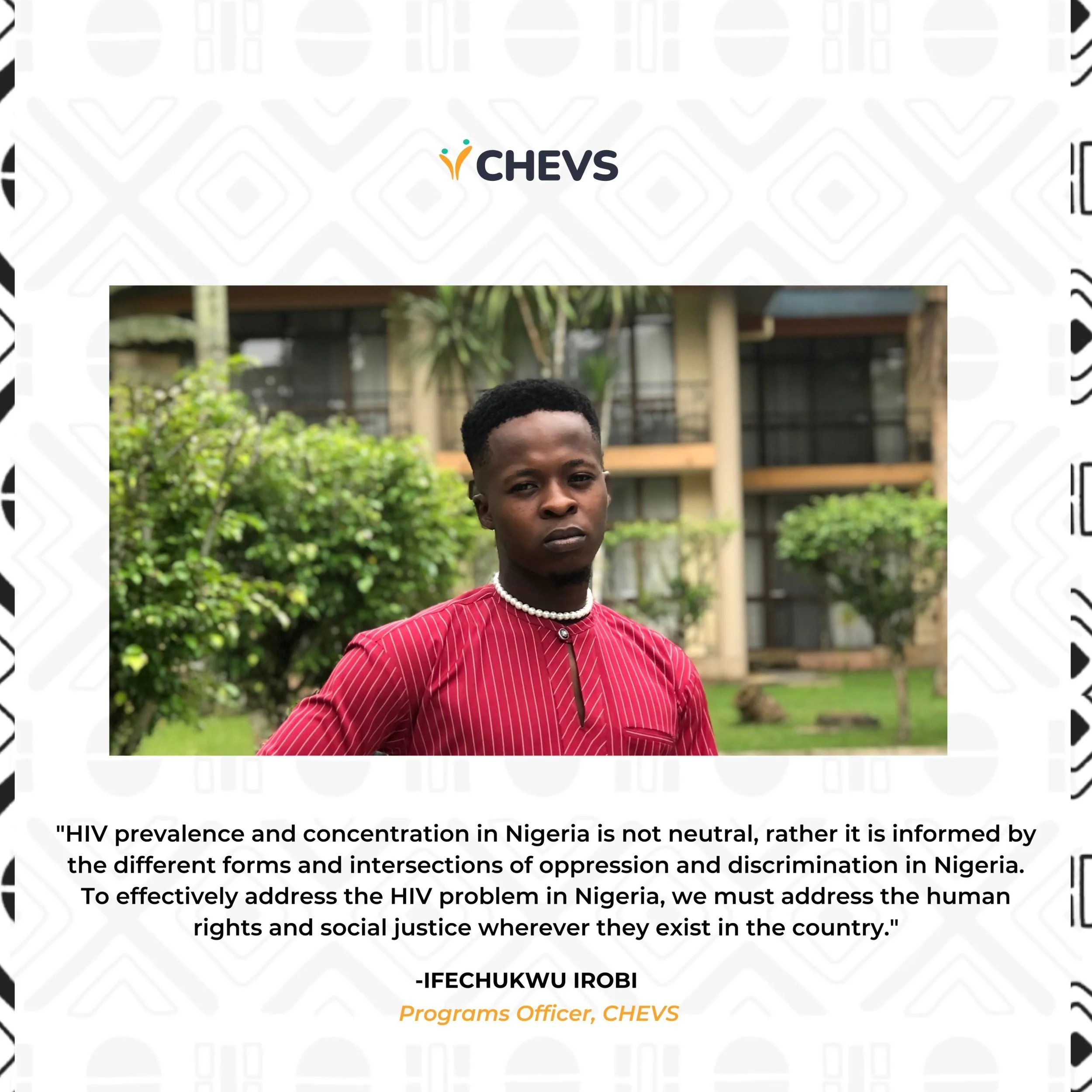
Tracy Owoo is a non-binary African feminist activist, living and working in Ghana. She currently leads the Gender and Economic Justice Portfolio at CHEVS.