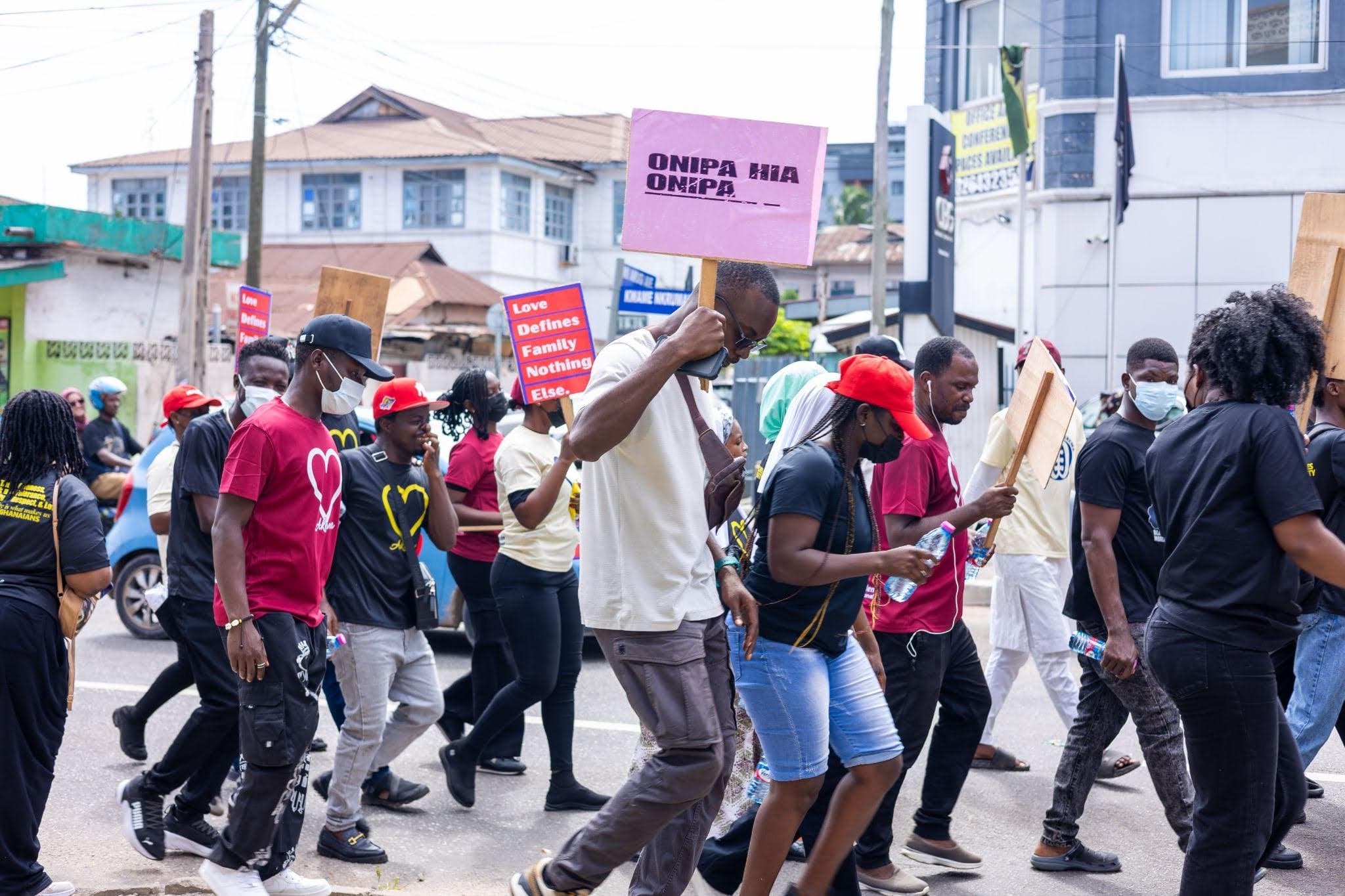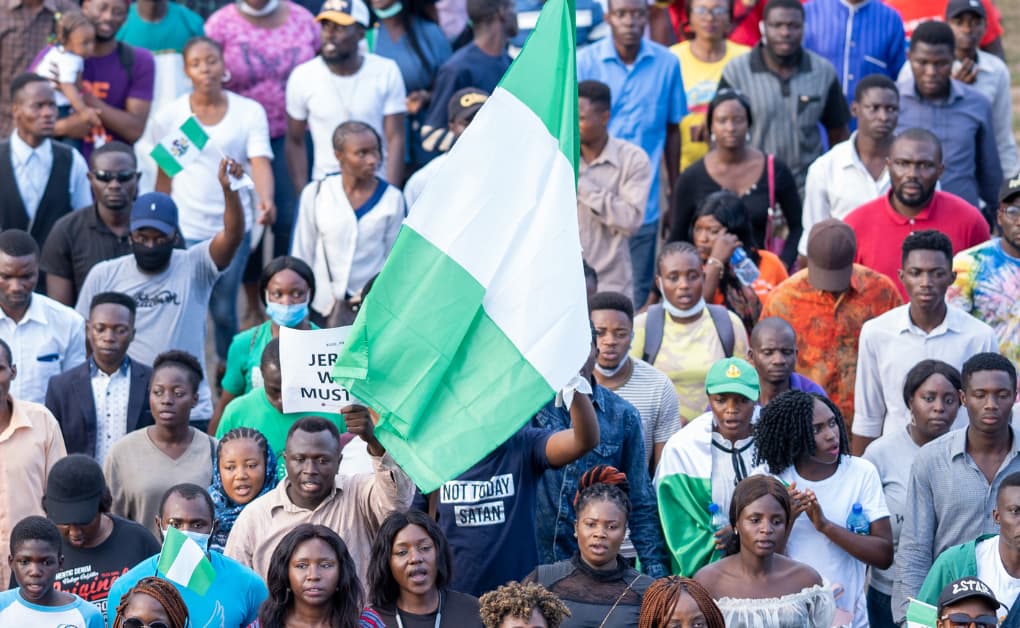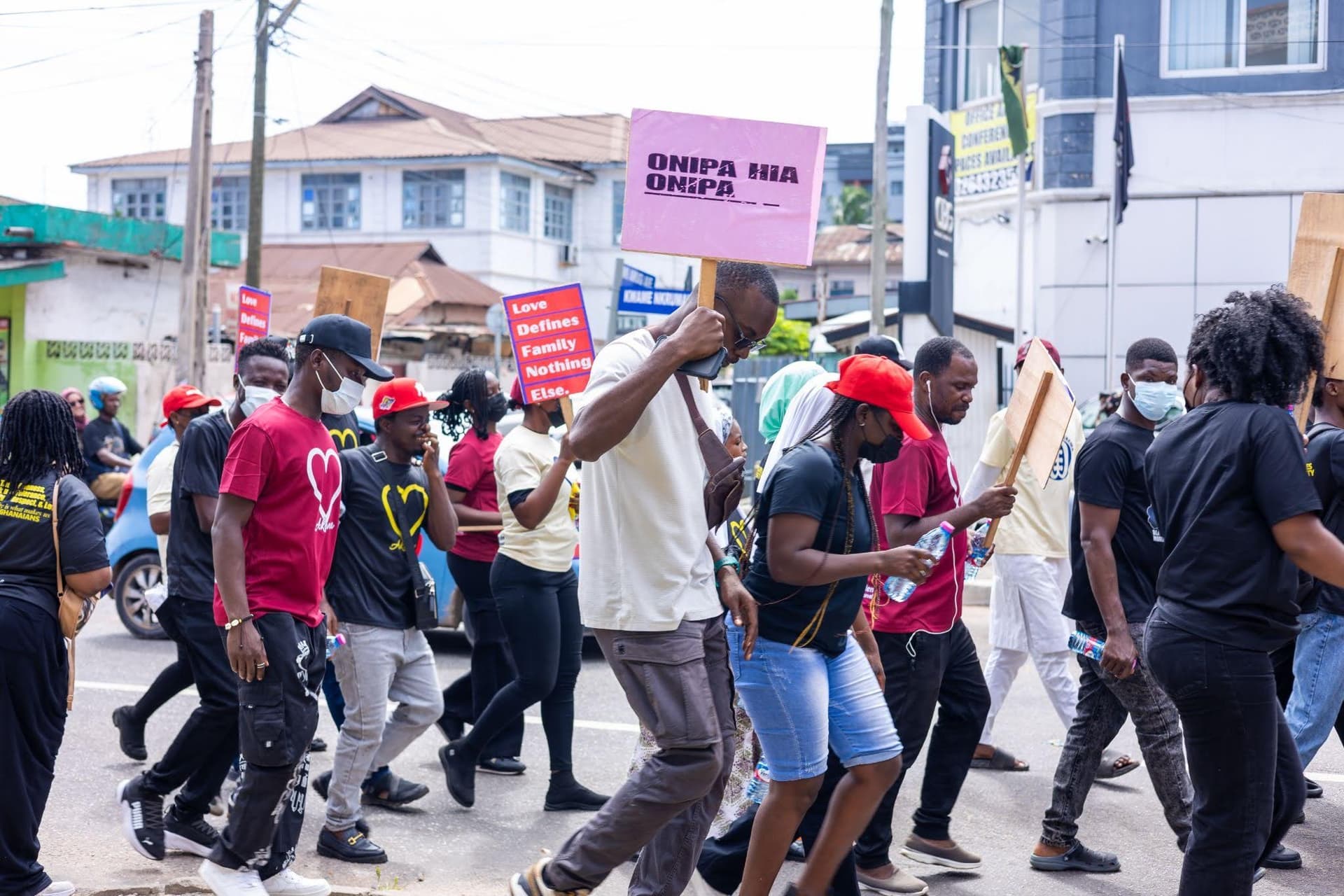
On 5 June, CHEVS, our partners, and Ghanaians took to the streets of Accra, as the African Inter-Parliamentary Conference on Family Values and Sovereignty met to discuss how to rollback hard won human rights protections on the continent, and how to continue legislating the erasure and criminalisation of LGBTQIA+ communities in Africa.
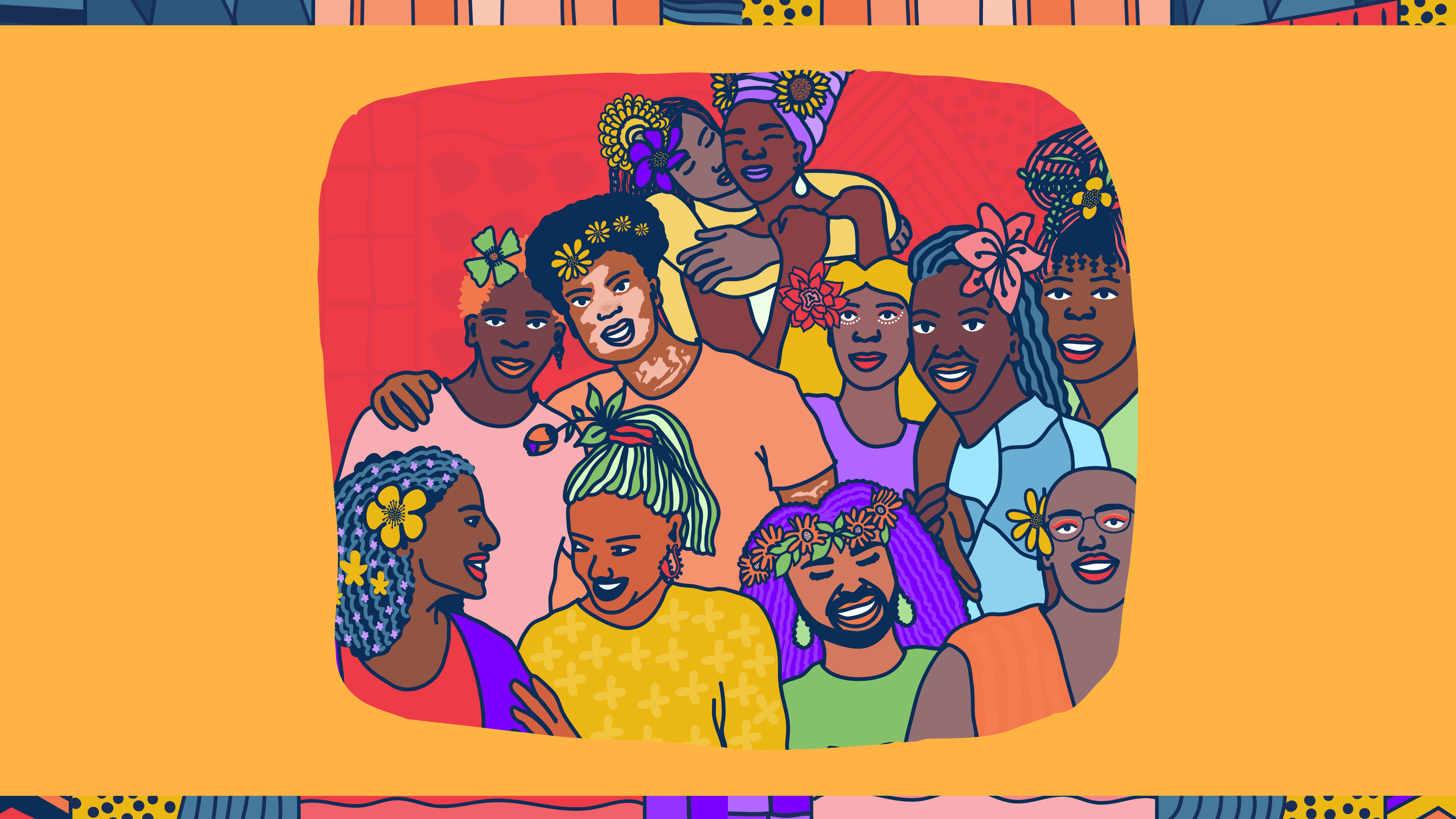
We marched because we understand that African families are built through care, accountability, belonging, and our shared responsibility to one another and not through exclusion. We wanted to remind each other - and those gathering for the conference, of these basic facts.
We also rallied because we understood what this conference was and what it was attempting to do: impose an unAfrican ideology of exclusion centred on the pedastalling of the nuclear family, to the exclusion of all the different ways in which we create relationships of mutual care on the continent, across our various cultures and spiritualities, and across borders. The African Inter-Parliamentary Conference on Family Values and Sovereignty can trace its origins to the anti-rights movement, including right-wing American Christian conservatives such as Sharon Slater and the US-based organisation, Family Watch International. Family Watch International initially convened African lawmakers around a so-called "protection of family values" agenda in Utah before relocating the conference to the continent, as documented by Rightify Ghana and 76crimes.com.
Across West Africa, lawmakers are increasingly using legislation to regulate intimacy, identity, community and behaviour. Ghana's Parliament has once again passed the Human Sexual Rights and Family Values Bill, retaining the up-to-three years imprisonment for consensual same-sex relations, while imposing a closed sentence of between three and five years for the promotion, sponsorship, or intentional support of LGBTQ activities. The law goes further still: it includes provisions requiring individuals to report prohibited activities to authorities, transforming families and communities into instruments of State surveillance, encouraging suspicion where there should be love and trust. Human rights advocates have warned that rather than enshrining care, dignity, and protection before the law for all, the bill encourages reporting, policing, punishment and second-class citizenship for some. This law has recently been sent back to parliament on the basis that it was adopted without quorum. We will continue to monitor developments and stand in solidarity with our community in Ghana.
As feminist organizers, we recognize these legislative developments for what they are: attempts to narrowly define who belongs, who is allowed to have rights, who is allowed to dissent, and which bodies are allowed to freely exist and express desire. This is a classic moral panic born out of State failure. Across the region, African governments are manufacturing a straw "enemy" within, and offering us up as scapegoats to distract from deteriorating material conditions, and calling it governance.
We carried this analysis and these realities with us when we organized our march. We thought about safety. We thought about the risks that many queer and trans people face simply by existing in public. We thought about the power of gathering at a moment when harm and thus fear is being institutionalized. There was also the honest exhaustion of wondering whether we are pouring water on a duck's back. But we carried something that no parliament can legislate away, and that is each other.
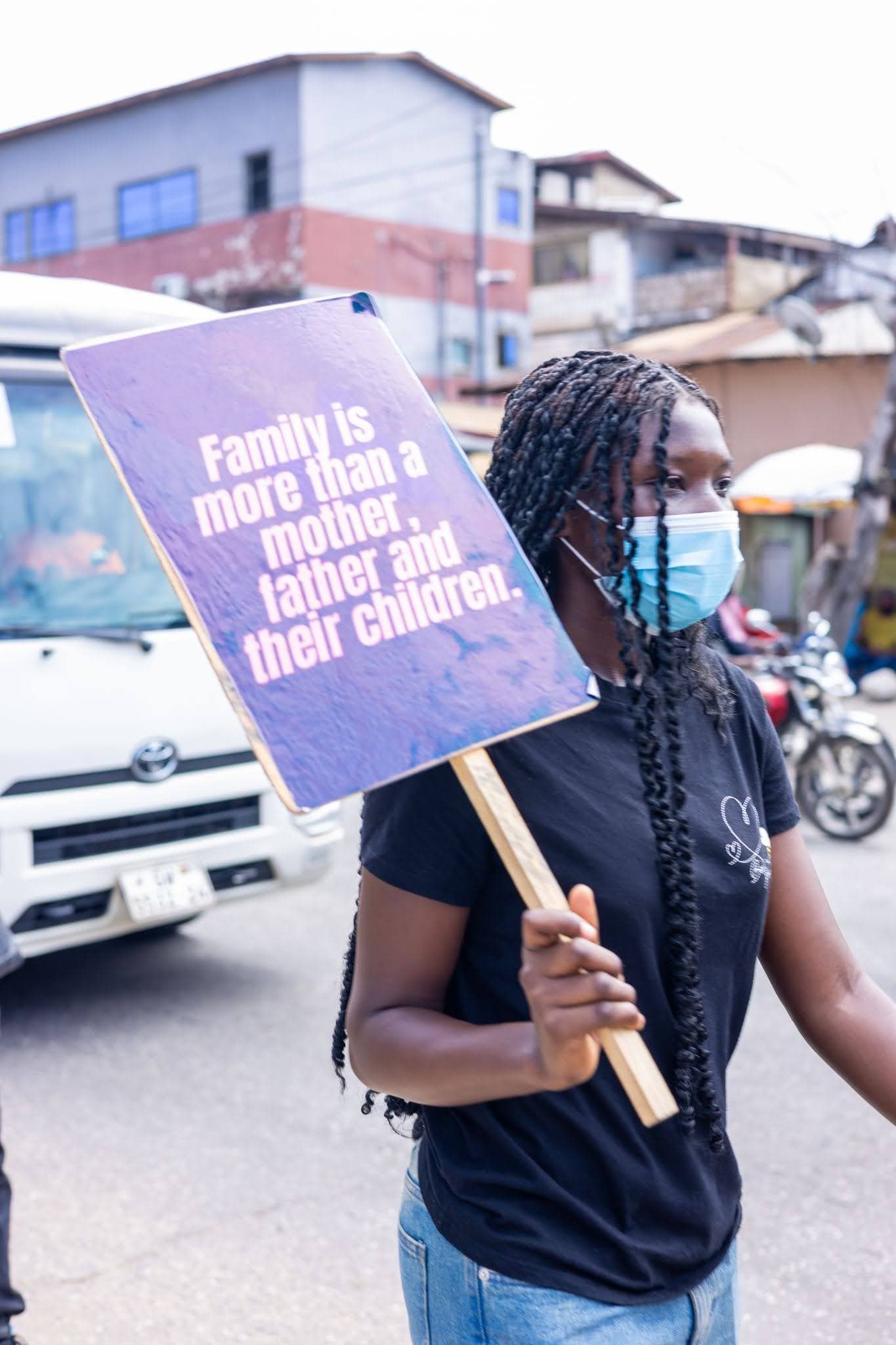
What we witnessed that day reminded us why organizing matters. We saw young queer and trans people, students, feminists, and community members claim space with courage and joy. We saw market women pause to listen. Taxi drivers stopped to ask us questions. We saw people standing at school gates and roadside stalls engaging in conversations about freedom, dignity, and belonging. Many of them may never have attended a protest before, and many may not identify as activists, yet they understood something fundamental: families do not become stronger when governments decide that some of their members are disposable.
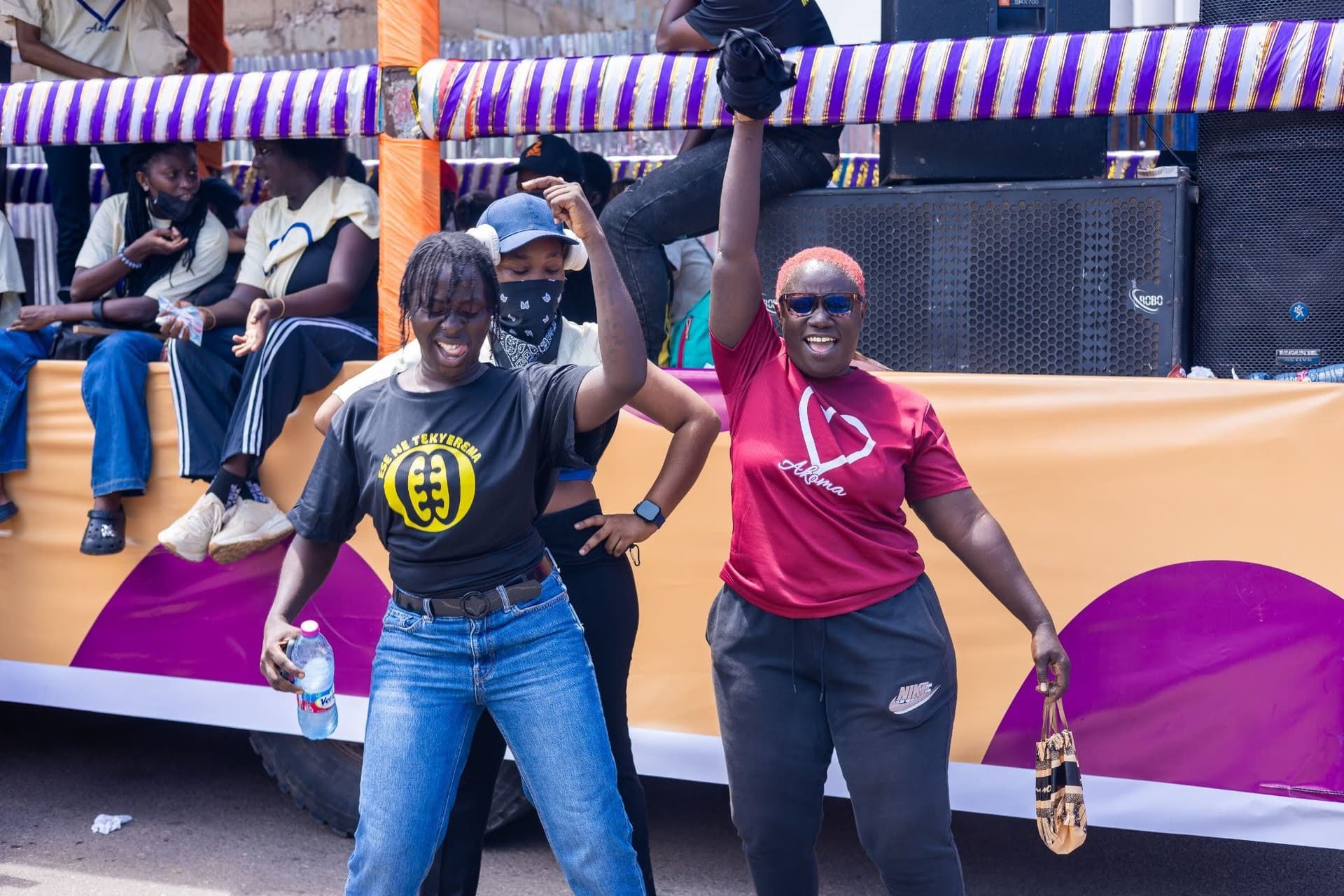
For CHEVS, the march offered a glimpse of the future that we continue to organize toward. We envision communities where people can tell their stories without fear. We envision movements where solidarity is stronger than stigma. We envision a society where care is not conditional and where no one is asked to choose between their safety and their authenticity.
The threats before us are real. This legislation extends criminal exposure beyond private conduct to public advocacy, organizational activity, and financial support, preemptively silencing the stories not yet told and the organizers not yet born. The consequences of these laws will be felt not only by queer and trans people alive today but by future generations whose possibilities are already being constrained. Yet every movement victory begins with people refusing to accept that harm is inevitable, and refusing to accept harm in our name.
The streets of Accra reminded us that another future remains possible, and every person who chooses community over fear brings that future closer.
At a time when governments across the region are shrinking civic space and legislating exclusion, continued support for CHEVS' work helps ensure that communities can keep organizing, resisting, and imagining otherwise.